About DRONEXA America

Building a Research-to-Practice Model for Drone-Integrated STEM Education

DRONEXA America is a research-informed educational initiative being developed to support safe, inclusive, standards-aligned, and workforce-oriented integration of unmanned aircraft systems (UAS) into K–12 education.

Who We Are

Connecting research, instruction, access, and workforce preparation.

DRONEXA America is being developed as an educational platform that translates research on drone technology integration into practical tools, educator resources, implementation frameworks, and evidence-building initiatives.

Its focus extends beyond simply introducing drones into classrooms. The initiative is designed around the conditions that make drone-integrated STEM education meaningful: educator readiness, instructional purpose, student access, safety, regulatory awareness, workforce relevance, and continuous improvement.

Mission & Vision

A stronger pathway from emerging technology to educational opportunity.

Mission

To develop research-informed frameworks, resources, and implementation approaches that help schools integrate drone technology into K–12 STEM education safely, inclusively, and in ways that strengthen educator capacity and student readiness for emerging careers.

Vision

A future in which students across geographic, economic, and physical-accessibility contexts can participate meaningfully in drone-integrated STEM learning and develop knowledge, confidence, and awareness relevant to an evolving technology workforce.

Research Foundation

Rooted in the study of drone integration in K–12 STEM education.

DRONEXA America emerged from doctoral research focused on educators’ perceptions, knowledge, instructional opportunities, and barriers associated with integrating drone technology into K–12 STEM learning.

Research-to-practice orientation

Rather than treating research as an endpoint, DRONEXA America uses research findings to inform resource development, implementation planning, educator support, evaluation, refinement, and future adaptation.

How the Model Develops

Research → Resources → Implementation → Evidence → Refinement → Expansion

1Research
2Resource Development
3Regional Implementation
4Evaluation
5Refinement
6Adaptation & Expansion

Core Commitments

What guides DRONEXA America

01

Educational Purpose

Drone use should support clear learning goals rather than function as technology for its own sake.

02

Educator Capacity

Teachers need preparation, resources, and implementation support to use UAS meaningfully.

03

Inclusive Access

Participation pathways should be designed so that more learners can contribute meaningfully.

04

Safety & Responsibility

Instruction should reflect appropriate safety practices, ethical use, and regulatory awareness.

05

Evidence & Improvement

Implementation should generate feedback and evidence that can strengthen future versions of the model.

A Signature Component

Flight Without Limits™

Flight Without Limits™ is being developed within DRONEXA America to address meaningful participation of students with mobility impairments and other physical accessibility needs in drone-integrated STEM learning.

Explore Flight Without Limits™
SOA
Founder

About the Founder

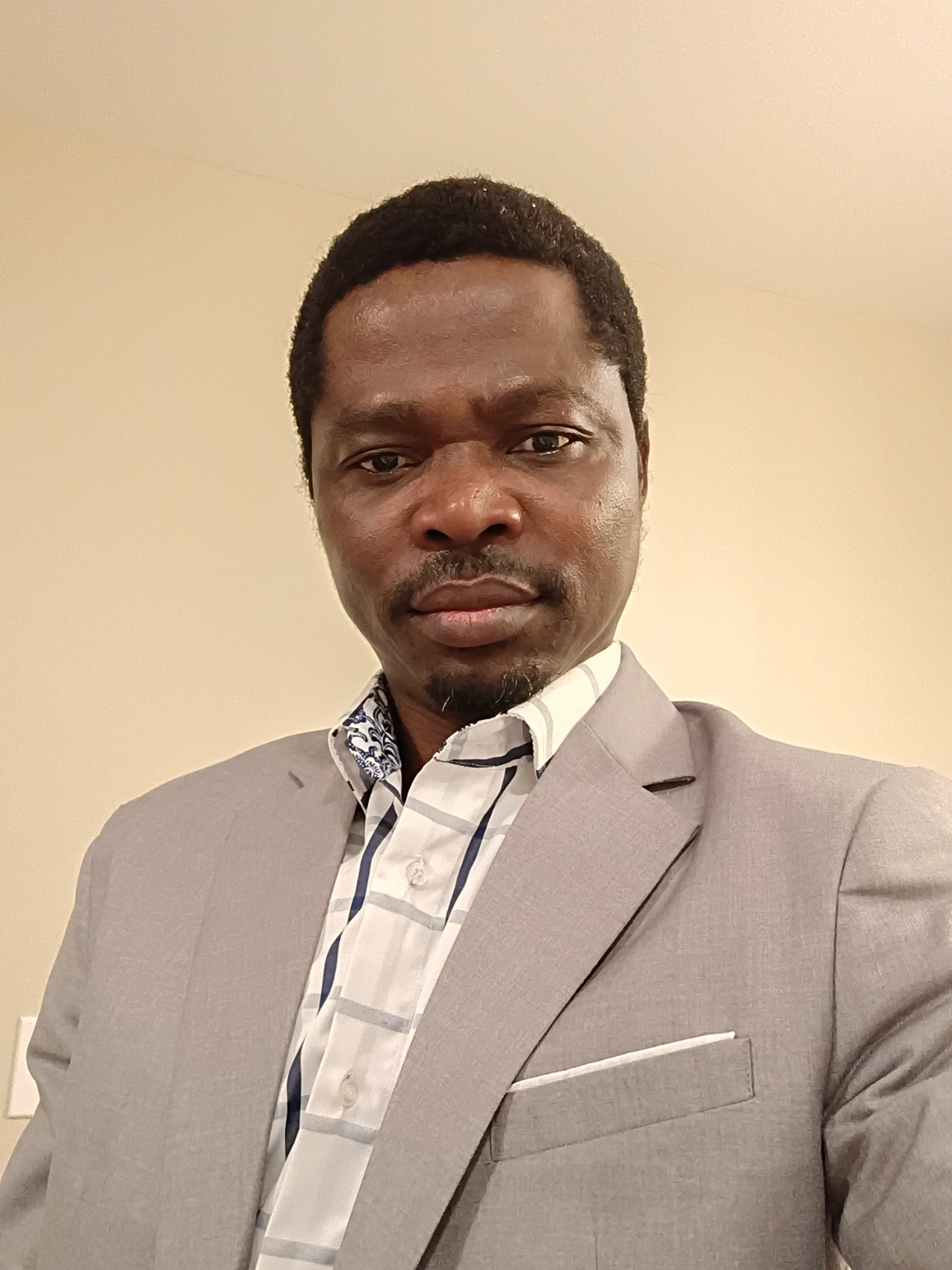
Seth Owusu Afriyie

Founder & Developer, DRONEXA America

Seth Owusu Afriyie is an educator, researcher, and instructional technology professional whose work focuses on emerging technologies, STEM education, instructional design, and the integration of unmanned aircraft systems (UAS) into K–12 learning.

He holds a Bachelor of Education (B.Ed.) from the University of Cape Coast, Ghana and a Master of Arts (M.A.) in Global Policy from the University of Maine. He is currently a Ph.D. candidate in Instructional Technology at Ohio University, where his doctoral research focuses on the integration of drone technology in K–12 STEM education.

His research examines educators’ knowledge and experiences with drone integration, instructional opportunities associated with UAS-supported learning, and barriers and implementation conditions that influence adoption in educational environments. This work provides an important scholarly foundation for the development of DRONEXA America.

He also holds an FAA Remote Pilot Certificate under Part 107, complementing his educational technology background with knowledge of the regulatory and operational environment surrounding unmanned aircraft systems.

Through DRONEXA America, he is working to translate research into practical frameworks, educator resources, inclusive STEM approaches, and implementation models that strengthen educator capacity, expand access to emerging technologies, and support pathways toward the evolving U.S. drone workforce.

B.Ed. · University of Cape Coast M.A. Global Policy · University of Maine Ph.D. Candidate · Ohio University FAA Part 107 Remote Pilot
Where We Are Now

Active development, stakeholder engagement, and implementation planning.

DRONEXA America and its principal resources are currently in active development. Current work includes refinement of the DRONEXA framework portfolio, educator guidance, Flight Without Limits™, policy and implementation standards, and the proposed Rural Nebraska implementation model.

Stakeholder engagement is being used to gather input, strengthen the materials, explore potential collaboration, and inform future implementation. Public references to organizations or institutions should not be interpreted as formal partnership or endorsement unless explicitly stated.

Collaboration

Interested in helping strengthen the work?

DRONEXA America welcomes conversations with educators, schools, researchers, accessibility professionals, educational agencies, workforce organizations, and industry stakeholders.

Start a Conversation